

Hadar Raanan
Israel
Realism | Modernism
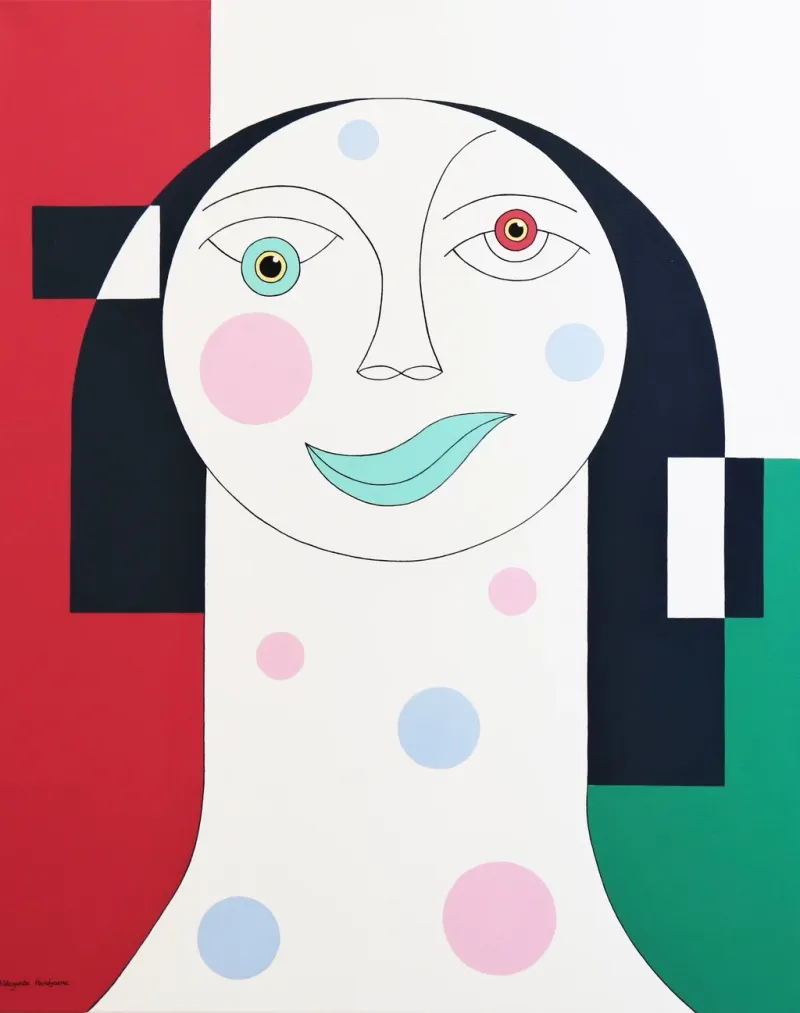
Hadar Raanan is an artist whose emotionally driven works inspire self-love and empowerment


Expressionism | Cubism
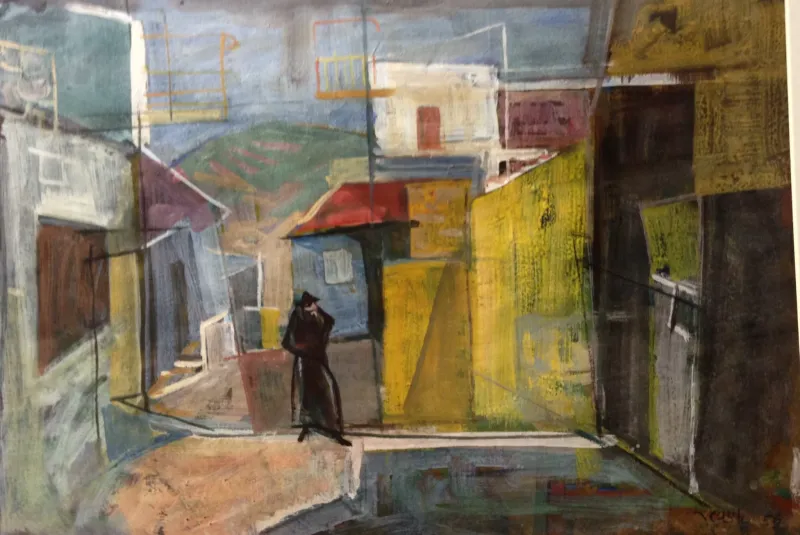
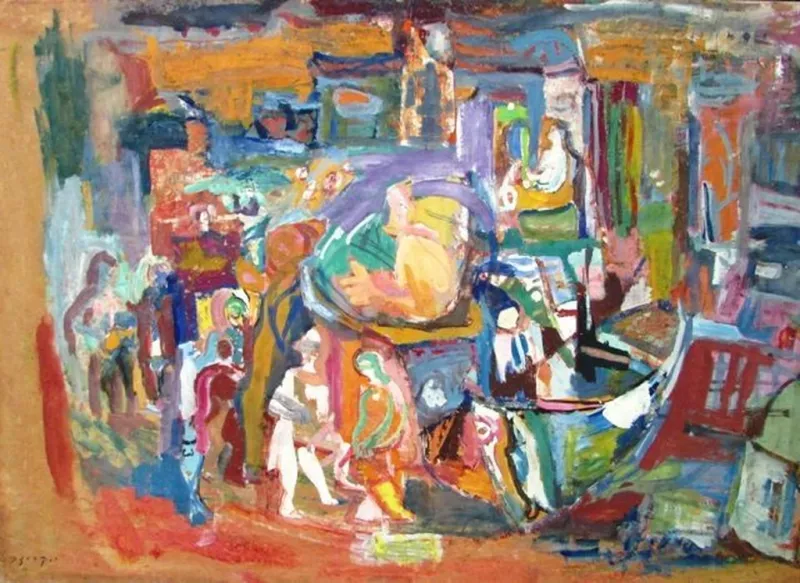
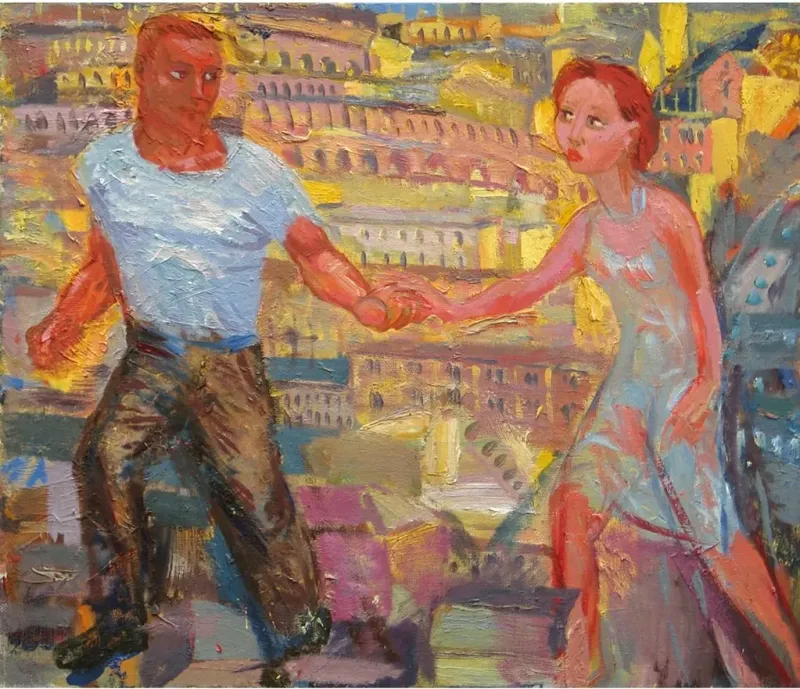
In his youth, Eisensher studied at the School of Fine Arts in Vienna, Austria.
In World War I, Eisensher fought, was captured by the Italian army, and remained in a POW camp until the end of the war, where he painted extensively about the camp.
In the early 1930s, Eisensher emigrated to Paris, where he was exposed to Cubist art, and in 1935, he immigrated to Israel.
Starting in 1952, Eisensher taught art at the Bamla School in Jerusalem.
Eisensher's early works were mostly drawings and woodcuts, mainly in an expressive style. From the 1950s onwards, Eisensher painted mainly in oil, depicting landscapes, houses and figures, in a Cubist style.
Eisensher won many awards for his work, including the Dizengoff Prize for painting and sculpture


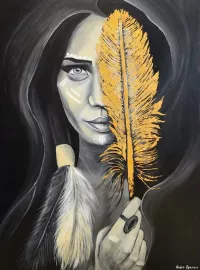
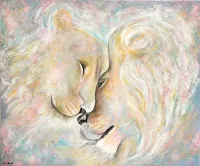
Hadar Raanan is an artist whose emotionally driven works inspire self-love and empowerment
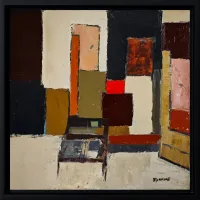
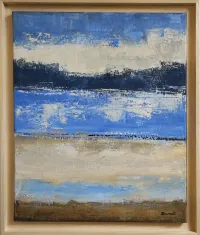
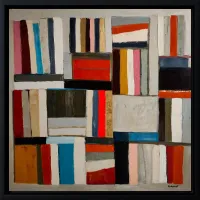
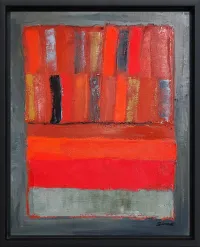
Sophie Dumont is a French artist capturing the essence of landscapes through atmospheric oil
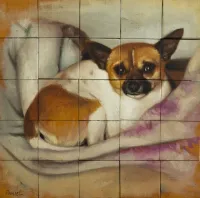
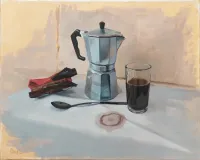
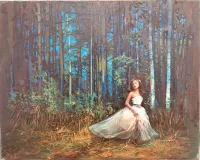
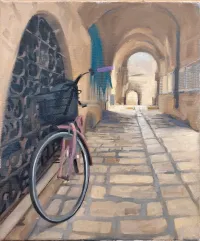
Daniel Sergio Chertkoff is an Israeli artist and painting teacher, born in 1962 in Argentina.
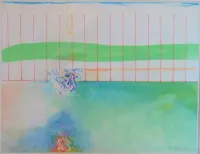
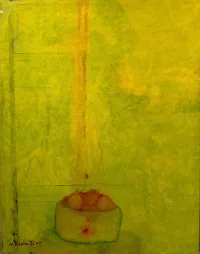
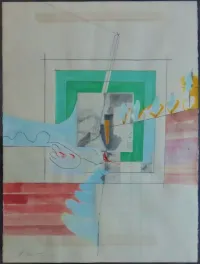
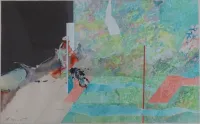
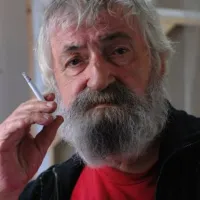
Moshe Givati (1934-2012) was an Israeli painter, one of the most prominent in Israeli art.
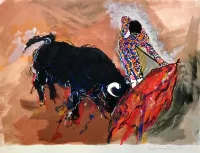
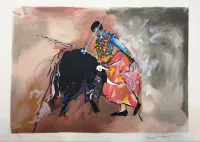
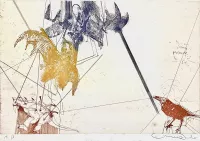
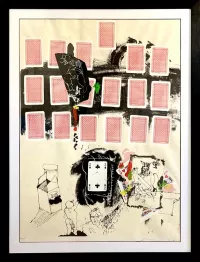
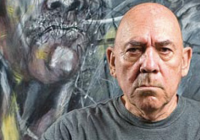
Uri Lifshitz was a groundbreaking Israeli artist whose postmodern works are featured in major
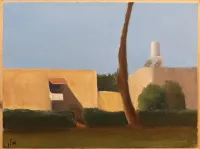
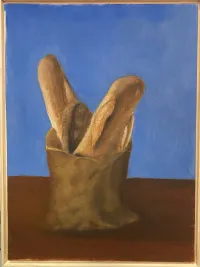
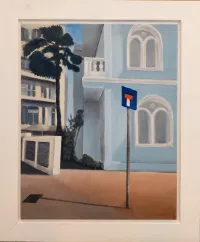
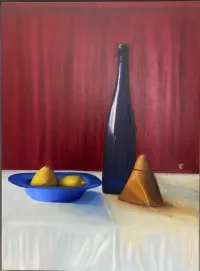

Ilan Tyberger is an Israeli artist whose emotionally rich, realist paintings reflect his passion
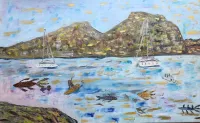
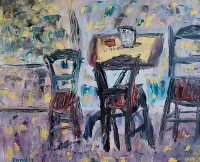
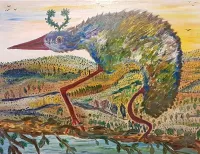
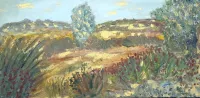

Dondi (Danny) Schwartz is an Israeli artist, born in Canada in 1961 and immigrated to Israel
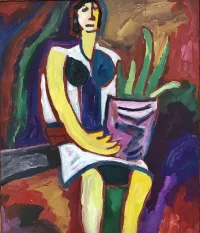
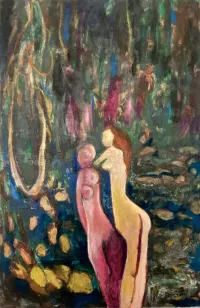
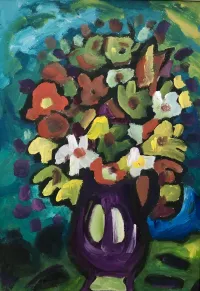
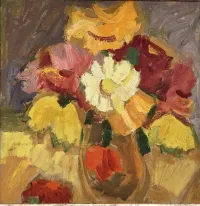
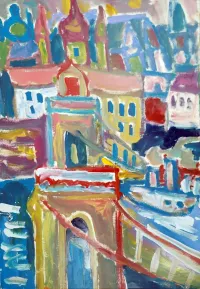
Miklos Nemeth (1934–2012) was a Hungarian painter who played a significant role in the Hungarian
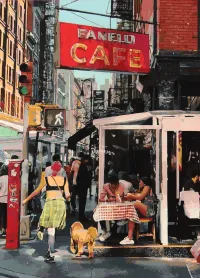
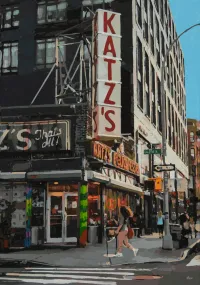
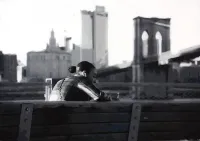


Marco Barberio the self-taught artist blending pop culture and realism with urban soul
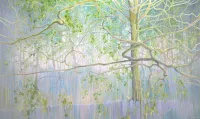
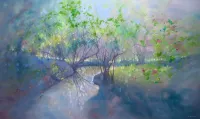
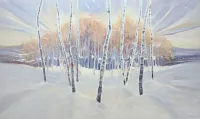
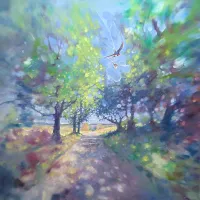
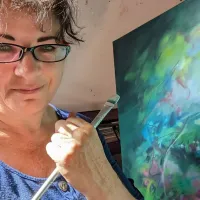
Gill Bustamante is a British artist whose vibrant ‘memory impressionism’ landscapes blend

Once a month be the first to know about new trends, artworks and offers
